
A full home remodel involves far more than choosing finishes and approving designs. It requires careful coordination between many specialized services, each with its own timing requirements and dependencies. When these services are scheduled out of order or without clear communication, delays, damaged work, and budget overruns quickly follow.
Understanding how to coordinate multiple home improvement services allows homeowners to keep projects moving efficiently while protecting completed work. A remodel that flows logically from one phase to the next is safer, more cost-effective, and far less stressful for everyone involved.
Assessing Property Conditions Before Scheduling Any Work

Assessing property conditions establishes the baseline for everything that follows in a remodel. Design plans and timelines are only as reliable as the information they’re built on, and hidden site issues often surface at the worst possible moment if they aren’t addressed early. Taking the time to evaluate the property before scheduling any work reduces uncertainty and allows decisions to be made with full awareness of existing limitations.
Engaging local tree services early helps identify potential conflicts between vegetation and construction activity. Mature trees may conceal extensive root systems that extend far beyond the visible canopy. These roots can interfere with excavation, damage underground utilities, or destabilize foundations if disturbed without proper planning. A professional assessment clarifies which trees can remain safely, which require protection during construction, and which may need removal to prevent long-term structural or drainage problems.
Equally important is reviewing the condition of the wastewater system with local septic services. Renovations that add bathrooms, laundry areas, or larger kitchens often increase daily water use beyond what older systems were designed to handle. An early evaluation determines whether the existing system can support the planned changes or if upgrades are necessary. Identifying capacity issues at this stage prevents last-minute redesigns or emergency work after construction has already begun.
Access evaluation is another critical component of early assessment. Heavy equipment requires stable, unobstructed routes to reach the work area. Narrow driveways, steep slopes, or soft ground can limit access and affect how excavation and deliveries are handled. Identifying these constraints early allows for temporary access solutions or schedule adjustments that prevent delays.
Effective early assessment should focus on:
-
Mapping tree locations and estimating root spread relative to planned work zones
-
Verifying septic system capacity and identifying any maintenance or upgrade needs
-
Evaluating access points for equipment, materials, and debris removal
-
Modifying renovation plans to accommodate site realities before final approvals
When property conditions are thoroughly assessed upfront, the renovation process becomes more predictable. Fewer surprises arise during construction, schedules remain intact, and contractors can work more efficiently within known constraints.
Planning Groundwork and Site Access in the Correct Order
Groundwork determines whether the rest of the remodel proceeds smoothly or becomes a series of corrective steps. Every service that follows—structural work, utilities, exterior surfaces, and landscaping—depends on the stability and accuracy of this early phase. When groundwork is rushed or performed out of order, even minor mistakes can ripple through the project and require expensive fixes later.
Local excavating contractors play a central role in shaping the site. Their responsibilities extend beyond digging trenches; they evaluate soil conditions, manage drainage, and create access routes capable of supporting heavy equipment. Poorly planned excavation can destabilize nearby structures, alter water flow, or damage underground utilities. Coordinating excavation carefully ensures that grading and trenching support both current construction needs and long-term site performance.
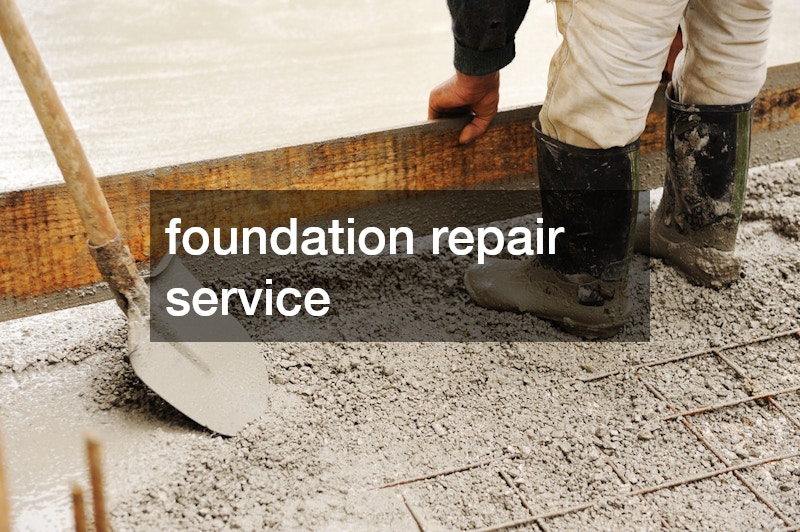
Foundation conditions must be addressed before excavation progresses too far. If cracks, settlement, or load-bearing issues are discovered, a foundation repair service should be brought in immediately. Stabilizing or reinforcing the foundation early prevents excavation work from worsening existing problems. It also eliminates the need to tear up completed surfaces later to correct issues that should have been resolved at the outset.
Access planning is another critical element of this phase. Permanent or semi-permanent access routes should be established early and remain consistent throughout the initial stages of construction. Changing routes mid-project often leads to damaged landscaping, compacted soil, and confusion among crews. Stable access points improve efficiency and reduce wear on the property.
Best practices during groundwork planning include:
-
Testing and confirming soil stability before major excavation begins
-
Completing foundation repairs before trenching for utilities or drainage
-
Designing access routes that can support repeated equipment use
-
Maintaining safe distances between excavation zones and unsupported structures
When groundwork and site access are planned in the correct order, the project gains a reliable physical foundation. This stability allows subsequent phases to proceed without interruption, protecting both the structure and the overall renovation timeline.
Creating a Master Schedule That Aligns All Trades

A master schedule turns a complex remodel into a coordinated sequence of manageable steps. It defines not only when each trade is on site, but also how their work interacts with the phases before and after. Without this structure, trades may arrive too early or too late, creating idle time, rework, or conflicts that disrupt progress and inflate costs.
Mechanical systems are especially dependent on precise scheduling. HVAC services rely on framing to be complete enough to support ductwork while still allowing open access for installation. If insulation or drywall is installed too soon, ducts and vents may need to be rerouted or walls reopened, undoing completed work. A clear schedule ensures HVAC tasks occur at the exact point when access is optimal and before finishes lock in system placement.
Understanding task dependencies is the foundation of an effective schedule. Certain steps simply cannot begin until others are complete, such as installing insulation before rough mechanical work is finished or applying finishes before inspections are passed. Mapping these relationships prevents overlapping tasks that compete for the same space or interfere with one another.
Buffer time is another critical element. Even well-planned projects encounter delays due to inspections, material availability, or unexpected site conditions. Scheduling small gaps between major phases allows the project to absorb these delays without derailing subsequent work. Without buffers, a single delay can cascade into missed appointments and rescheduling fees.
Inspection milestones should be built directly into the schedule rather than treated as afterthoughts. Many phases require approval before work can proceed, and failing to plan for inspection timing can halt progress unexpectedly. Clear milestones ensure that work pauses at logical checkpoints instead of stopping mid-task.
For a master schedule to be effective, it must be accessible and actively used. Sharing the schedule with all service providers sets clear expectations and encourages accountability. Regular updates keep everyone informed of changes and reinforce the sequence of work.
Key practices that strengthen scheduling include:
-
Defining clear start and end points for each trade
-
Sequencing work based on access and system dependencies
-
Including time for inspections and corrections
-
Updating the schedule as conditions change
When a master schedule is maintained and respected, trades work efficiently instead of competitively. This alignment minimizes downtime, protects completed work, and keeps the remodel moving forward in a controlled, predictable manner.
Managing Tree Removal and Preservation During Construction
Managing trees during construction requires balancing safety, access, and long-term property value. While mature trees contribute significantly to curb appeal and shade, they can interfere with excavation, foundation work, and utility installation if not properly assessed. Careful planning ensures that necessary removals are handled responsibly while healthy, well-positioned trees remain protected throughout the remodel.
Professional tree companies play a critical role in this process. Their evaluations go beyond visible branches, focusing on root spread, soil conditions, and structural stability. Roots often extend well beyond the canopy and can conflict with excavation zones or underground systems. Identifying these conflicts early allows for informed decisions about removal, pruning, or protection. Attempting to manage tree issues without expert input often leads to accidental damage that compromises tree health or creates safety hazards later.
Timing is especially important. Tree removals should be scheduled before excavation or foundation work begins, allowing heavy equipment to operate without restriction. Removing trees later in the process increases the risk of damaging newly installed structures or finished landscaping. Early removal also provides clearer access routes and staging areas for construction equipment.
For trees that remain, protective measures are essential. Installing barriers around root zones helps prevent soil compaction, which can suffocate roots and weaken trees over time. Limiting heavy equipment traffic near preserved trees reduces the risk of root damage and trunk impact. These precautions may require adjusting access routes or equipment staging, but they protect long-term landscape health.
Planning for landscape restoration should begin alongside tree management decisions. Knowing where trees will remain or be removed allows for thoughtful replanting, grading, and soil repair after construction. This proactive approach shortens the recovery period and helps the property regain its visual appeal quickly.
Effective tree coordination includes:
-
Completing professional assessments before finalizing site plans
-
Scheduling removals early to avoid conflicts with construction phases
-
Protecting remaining trees with physical barriers and traffic controls
-
Integrating tree decisions into post-construction landscaping plans
When tree removal and preservation are handled strategically, construction proceeds more efficiently and the property retains its natural character. This careful balance supports both immediate construction needs and long-term property value.
Timing Roofing Work to Protect Interior Improvements

Roofing work acts as the primary shield between the home and the elements, making its timing one of the most critical decisions in a full remodel. When roof replacement is delayed or poorly coordinated, even brief exposure to rain, wind, or humidity can damage framing, insulation, and interior finishes. Moisture intrusion at this stage often leads to hidden problems that surface long after construction is complete.
Ideally, roofing should be finished as soon as structural modifications are complete and before any interior improvements begin. Installing insulation, drywall, or flooring beneath an unfinished roof creates unnecessary risk. Materials can absorb moisture quickly, and even minor leaks can compromise their performance and lifespan. Completing the roof early establishes a weather-tight environment that protects all subsequent work.
Coordination with other trades is also essential. Roof penetrations for vents, exhaust fans, or mechanical systems must be planned and installed in conjunction with mechanical rough-ins. Poor coordination can result in additional roof openings after shingles are installed, increasing the chance of leaks and improper sealing. Aligning these tasks minimizes penetrations and ensures flashing is installed correctly the first time.
In cases where interior work must overlap with roofing, temporary weatherproofing becomes non-negotiable. Protective coverings, tarps, and temporary membranes can reduce exposure, but they are not substitutes for a completed roof. These measures should only be used when scheduling constraints make overlap unavoidable, and interior materials should be stored or installed away from exposed areas.
Thorough inspections are another key safeguard. Flashing around chimneys, valleys, and penetrations should be checked carefully, as these areas are common sources of leaks. Proper drainage paths must be verified to ensure water is directed away from the structure, not toward vulnerable areas.
Critical roofing timing practices include:
-
Completing roof installation before insulation and finish materials
-
Coordinating vent and duct penetrations with mechanical work
-
Inspecting flashing and drainage details before closing interior spaces
-
Pausing interior installations during roof tear-off when possible
When roofing is timed correctly, it creates a secure envelope that protects every interior investment. This sequencing reduces the risk of moisture-related damage and helps the remodel progress with confidence.
Coordinating Plumbing Upgrades With Structural and Finish Work
Plumbing work affects nearly every room in a home. Coordinating plumbing repair correctly prevents rework and protects finishes.
Rough plumbing should be completed after structural framing but before walls and floors are closed. Final connections should wait until finishes are installed.
Effective plumbing coordination includes:
-
Confirming fixture locations early
-
Aligning plumbing routes with framing plans
-
Pressure-testing systems before closing walls
-
Scheduling final hookups after finishes
Correct sequencing reduces leaks, damage, and delays.
Planning Exterior Surfaces and Driveways After Heavy Equipment Use
Exterior surfaces should be one of the final phases of a remodel. Scheduling an asphalt contractor too early often leads to cracked or damaged pavement from heavy equipment.
Driveways and walkways should be installed only after excavation, deliveries, and roofing are complete.
Best practices include:
-
Delaying paving until major work is finished
-
Protecting underground utilities before paving
-
Coordinating drainage with surface slopes
-
Keeping equipment off new asphalt
This approach preserves appearance and longevity.
Restoring and Enhancing Landscaping After Construction
Construction inevitably disrupts soil, grading, and vegetation. Local landscapers play a key role in restoring the property once major work is complete.
Landscaping should be scheduled after hardscaping, fencing, and exterior finishes are installed. This prevents repeated damage to newly planted areas.
Landscaping coordination tips:
-
Address soil compaction caused by equipment
-
Regrade to direct water away from foundations
-
Install plants after exterior work is finished
-
Use landscaping to conceal utility access points
Final landscaping ties the entire remodel together visually.
Maintaining Communication Across All Service Providers
Even the best schedule fails without communication. Regular coordination ensures all services—especially time-sensitive ones like HVAC services—stay aligned as conditions change.
Clear communication reduces misunderstandings and keeps minor issues from becoming major delays.
Effective communication strategies:
-
Hold regular progress check-ins
-
Share schedule updates promptly
-
Confirm readiness before each phase
-
Assign one point of contact for coordination
Consistent communication keeps the remodel moving forward smoothly.
Coordinating multiple home improvement services during a full remodel requires careful sequencing, clear communication, and proactive planning. Each phase must support the next, and no service should be treated as an isolated task.
When homeowners approach remodeling as a connected system rather than a collection of individual projects, timelines shorten, costs stabilize, and finished spaces remain protected. Thoughtful coordination transforms a complex remodel into a manageable, successful process.