

- Proper tree and shrub maintenance is rooted in plant biology, including how trees grow, transport nutrients, and respond to stress or damage.
- Healthy root systems and soil conditions are more critical to long-term plant health than surface-level care like frequent trimming.
- Science-based pruning techniques help trees and shrubs heal naturally, while improper cuts can lead to decay, disease, and structural weakness.
- Watering practices must balance moisture and oxygen in the soil to avoid root suffocation or dehydration.
- Seasonal maintenance aligned with natural growth cycles improves resilience and reduces unnecessary stress on plants.
- Maintaining overall plant health through proper nutrition and care strengthens natural resistance to pests and diseases.
Healthy trees and shrubs are not just decorative elements in a yard—they are living systems shaped by biology, soil chemistry, climate, and human intervention. For homeowners, understanding the science behind proper tree and shrub maintenance helps transform routine yard care into informed, effective stewardship. When maintenance practices align with how plants naturally grow and defend themselves, landscapes become healthier, safer, and more resilient over time.
This article explores the scientific principles that guide proper tree and shrub maintenance. From plant physiology and root systems to pruning responses and soil health, each section explains why certain practices work—not just how to do them. With this knowledge, homeowners can make better decisions that support long-term plant health, property value, and environmental balance.
Understanding Plant Biology: How Trees and Shrubs Grow and Survive
Trees and shrubs rely on complex biological systems to grow, repair damage, and adapt to their environment. At the core of this system is photosynthesis, the process by which leaves convert sunlight into energy. This energy fuels growth in roots, stems, and branches while supporting defense mechanisms against pests and disease. Understanding this internal process helps explain why improper maintenance—such as excessive pruning or nutrient imbalance—can weaken plants rather than improve them.
Growth occurs at specialized tissues called meristems, located in buds, root tips, and branch ends. These areas control vertical and lateral growth, which is why cutting in the wrong location can disrupt natural development patterns. Trees and shrubs also transport water and nutrients through vascular tissues, meaning damage to bark or roots affects the entire plant system. Proper maintenance respects these biological pathways and works with them instead of against them.
Why Roots Matter More Than You Think
Roots are the foundation of every healthy tree and shrub, yet they are often overlooked because they are hidden underground. Scientifically, roots serve multiple critical functions, including anchoring the plant, absorbing water and nutrients, and storing energy. Most tree roots grow outward rather than downward, often extending far beyond the visible canopy. This makes them vulnerable to soil compaction, construction damage, and improper watering.
Healthy roots require oxygen, moisture balance, and loose soil structure. When soil becomes compacted or waterlogged, roots struggle to absorb oxygen, leading to stress and decline above ground. Mulching, proper irrigation, and avoiding heavy foot traffic near trees all support root health. Understanding root behavior helps homeowners avoid practices that unintentionally starve trees and shrubs of the resources they need to thrive.
Soil Science Explained: The Foundation of Tree and Shrub Health
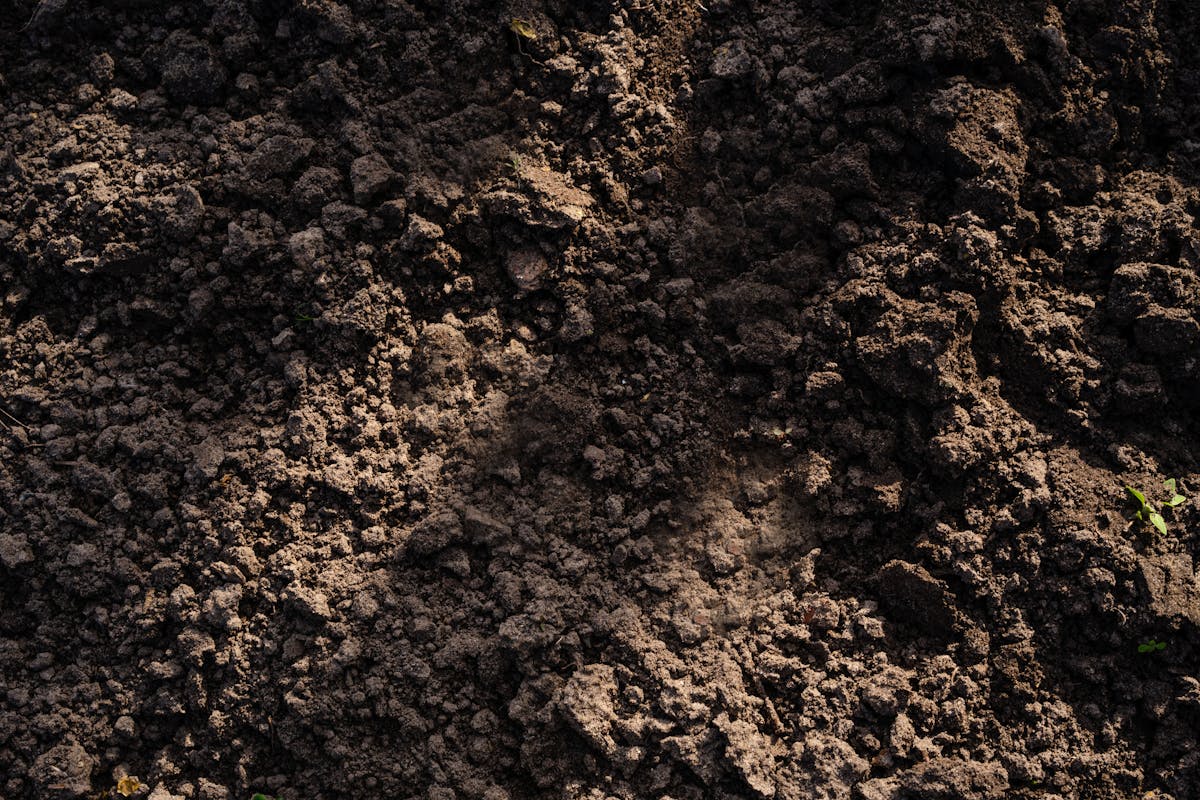
Soil is more than dirt—it is a living ecosystem made up of minerals, organic matter, air, water, and microorganisms. From a scientific standpoint, soil texture and structure directly influence how well roots absorb nutrients and moisture. Sandy soils drain quickly but may lack nutrients, while clay soils hold nutrients but often suffer from poor drainage and compaction. Loamy soil offers the best balance for tree and shrub growth.
Soil pH also plays a critical role in nutrient availability. When pH levels are too high or too low, essential nutrients become chemically unavailable to plants, even if they are present in the soil. Conducting soil tests allows homeowners to make informed decisions about amendments. Proper tree and shrub maintenance begins below the surface, where soil conditions determine everything from growth rate to disease resistance.
The Role of Water: How Overwatering and Underwatering Affect Plant Health
Water is essential for nutrient transport, photosynthesis, and temperature regulation in trees and shrubs. Scientifically, water moves through plants via transpiration, a process driven by evaporation from leaf surfaces. This movement pulls nutrients from the soil into the plant’s vascular system. When watering is inconsistent or excessive, this process becomes disrupted.
Overwatering reduces oxygen availability in the soil, suffocating roots and encouraging fungal growth. Underwatering, on the other hand, leads to dehydration and reduced photosynthesis, weakening the plant over time. Proper irrigation strategies focus on deep, infrequent watering to encourage strong root systems. Understanding how water functions inside plants helps homeowners avoid common mistakes that lead to stress, disease, and premature decline.
Tree and Shrub Maintenance: The Science of Proper Pruning
Pruning is one of the most misunderstood aspects of tree and shrub maintenance, yet it is deeply rooted in plant science. When done correctly, pruning directs growth, improves structure, and removes diseased tissue. Trees respond to pruning through a process called compartmentalization, where they isolate wounds to prevent decay from spreading. Improper cuts, however, can overwhelm this defense system.
Scientific pruning principles emphasize cutting just outside the branch collar, preserving the tree’s natural ability to seal wounds. Timing also matters, as pruning during active growth or dormancy affects how plants allocate energy. Strategic pruning respects plant physiology and enhances long-term health rather than forcing unnatural shapes or rapid growth.
Seasonal Maintenance and Plant Energy Cycles
Trees and shrubs operate on seasonal energy cycles influenced by temperature, daylight, and internal hormone levels. In spring, plants direct energy toward new growth, making it an ideal time for light pruning and nutrient support. Summer focuses on maintenance and stress management, while fall encourages root development and energy storage for winter dormancy.
During winter, most trees and shrubs enter a dormant state, slowing metabolic processes to conserve energy. Maintenance activities during this period should minimize stress and physical damage. Understanding seasonal cycles allows homeowners to align maintenance tasks with natural growth rhythms, improving effectiveness while reducing the risk of long-term damage.
How Nutrients and Fertilization Affect Growth
Plants require a balanced mix of macronutrients and micronutrients to function properly. Nitrogen supports leaf growth, phosphorus aids root development, and potassium strengthens overall plant health. However, excessive fertilization can disrupt natural growth patterns and increase susceptibility to pests and disease. Scientifically, nutrient imbalances alter hormone production and cell development.
Fertilization should be based on soil test results rather than guesswork. Slow-release fertilizers and organic amendments improve nutrient uptake while supporting beneficial soil organisms. Understanding how nutrients interact with plant biology helps homeowners fertilize responsibly, supporting steady growth rather than rapid, unstable development.
Pest and Disease Resistance: A Science-Based Perspective
Healthy trees and shrubs have natural defense mechanisms that rely on strong cell walls, chemical compounds, and beneficial microorganisms. Stress from poor maintenance weakens these defenses, making plants more vulnerable to pests and pathogens. Scientifically, stressed plants emit chemical signals that attract insects, increasing the likelihood of infestation.
Integrated pest management focuses on prevention rather than reaction. Proper watering, pruning, and soil health reduce stress and strengthen resistance. Monitoring plant health allows early intervention before problems escalate. A science-based approach to pest management protects both plants and the surrounding ecosystem.
Environmental Factors That Influence Tree and Shrub Maintenance
Climate, sunlight, wind exposure, and urban conditions all influence how trees and shrubs grow. Urban environments often create heat islands, altering moisture needs and increasing stress. Wind exposure affects structural integrity, while shade levels influence photosynthesis rates. Scientifically, plants adapt to these conditions over time, but improper maintenance can limit their ability to adjust.
Selecting species suited to local conditions and maintaining them accordingly improves survival and longevity. Understanding environmental stressors allows homeowners to adjust care practices, reducing damage and improving overall landscape resilience.
Long-Term Benefits of Science-Based Maintenance
Applying scientific principles to tree and shrub maintenance delivers long-term benefits beyond aesthetics. Healthy plants improve air quality, reduce stormwater runoff, and provide natural cooling through shade. Structurally sound trees also reduce safety risks by minimizing falling branches and root damage to property.
From an economic perspective, well-maintained landscapes increase property value and reduce costly repairs. Science-based maintenance supports sustainable growth, ensuring trees and shrubs remain assets rather than liabilities. For homeowners, informed care leads to healthier landscapes and greater peace of mind.
How Climate Change Is Influencing Modern Tree and Shrub Maintenance Practices

Changing climate patterns are increasingly influencing how homeowners should approach tree and shrub maintenance. Rising temperatures, shifting rainfall patterns, and more frequent extreme weather events place additional stress on trees and shrubs that were previously well-adapted to local conditions. From a scientific perspective, climate stress alters plant metabolism, increases water demand, and shortens recovery periods after pruning or storm damage. These changes mean that traditional maintenance schedules may no longer be sufficient or appropriate.
Homeowners must adapt by closely monitoring plant health and adjusting care routines to match new environmental realities. Science-based maintenance emphasizes flexibility and observation rather than fixed calendars. Key climate-related considerations include:
- Increased need for deep watering during prolonged dry periods
- Greater importance of mulch to regulate soil temperature and retain moisture
- Careful timing of pruning to avoid heat or drought stress
- Selection of climate-resilient tree and shrub species for long-term sustainability
By understanding how climate change affects plant biology, homeowners can make proactive maintenance decisions that protect their landscapes against ongoing environmental shifts.
Conclusion: Working With Nature, Not Against It
Proper tree and shrub maintenance is most effective when guided by science rather than habit or guesswork. Understanding how plants grow, respond to stress, and interact with their environment empowers homeowners to make smarter, more sustainable decisions. Every pruning cut, watering schedule, and soil amendment influences plant health at a biological level.
By aligning maintenance practices with natural processes, homeowners can create landscapes that are resilient, attractive, and environmentally responsible. The science behind proper care reveals that successful maintenance is not about control, but cooperation with nature’s design.