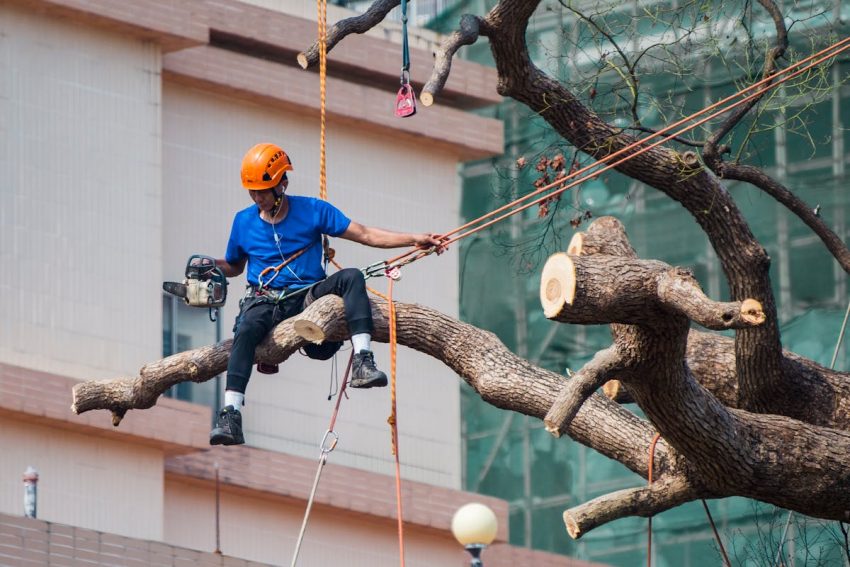
- Tree maintenance cost includes more than trimming and covers inspections, pruning, and preventative care.
- Regular maintenance helps homeowners avoid expensive emergency services and property damage.
- Tree size, species, location, and overall health are major factors that influence pricing.
- Budgeting annually for tree care creates more predictable and manageable expenses.
- Professional tree maintenance improves safety, tree longevity, and property value.
Maintaining the trees on your property is about more than just appearance. Healthy trees improve curb appeal, increase property value, and reduce safety risks. However, many homeowners underestimate the true cost involved until problems arise. Understanding tree maintenance costs helps you plan ahead, avoid surprise expenses, and make informed decisions about professional services versus basic upkeep.
This guide breaks down what tree maintenance includes, what influences pricing, and how much homeowners should realistically budget each year.
Tree Maintenance Cost: What Homeowners Need to Know
Tree maintenance cost refers to the ongoing expenses required to keep trees healthy, safe, and visually appealing. These costs go beyond occasional trimming and often include inspections, pruning, pest management, and preventative care. For homeowners, understanding this cost is essential because neglected trees can quickly become liabilities, leading to property damage or emergency removal expenses.
Regular maintenance spreads costs out over time and reduces the risk of sudden, high-priced services. A well-maintained tree is less likely to develop structural issues, disease, or overgrowth that interferes with buildings and power lines. Many professionals also bundle services, which can make routine care more affordable than reactive solutions.
Tree maintenance costs vary widely depending on property size, tree condition, and local labor rates. While some homeowners attempt DIY care, professional services are often necessary for safety and long-term tree health, especially for mature or large trees.
Common Services Included in Tree Maintenance
- Routine pruning and trimming
- Tree health inspections by certified arborists
- Pest and disease prevention treatments
- Fertilization and soil management
- Storm preparation and risk assessments
What Factors Affect Tree Maintenance Pricing?
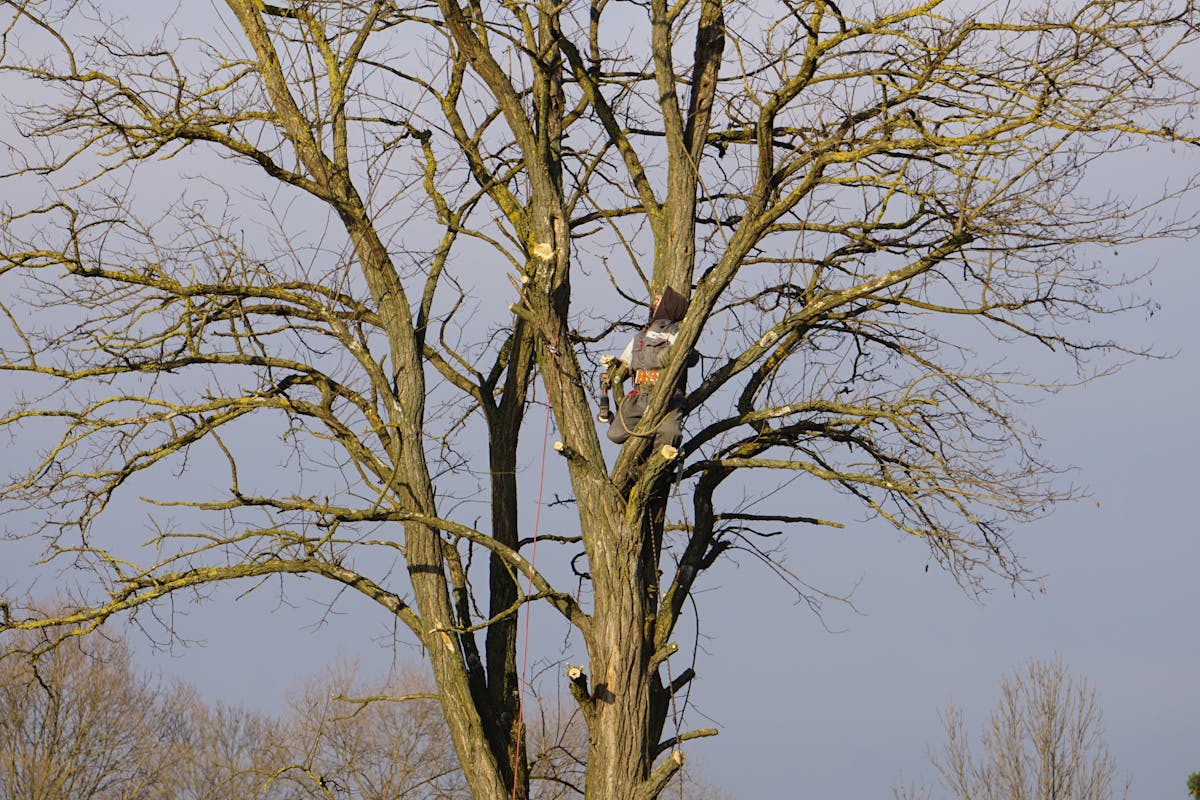
Several factors influence how much homeowners pay for tree care, and understanding them helps explain price differences between properties. Tree size is one of the biggest contributors, as taller trees require specialized equipment and additional labor. Larger trees also pose higher safety risks, which increases service costs.
Tree species also play a role in pricing. Some trees grow faster, require more frequent pruning, or are more susceptible to disease. Location matters as well, especially if trees are close to structures, fences, or utility lines. Accessibility issues can significantly increase labor time and equipment needs.
Another major factor is tree health. Diseased or damaged trees often require corrective pruning, treatments, or monitoring, all of which raise maintenance expenses. Preventive care is usually less expensive than addressing advanced problems, making regular inspections a cost-effective strategy for homeowners.
Key Cost Influencers to Keep in Mind
- Tree height, width, and overall condition
- Proximity to buildings, roads, or power lines
- Frequency of required maintenance
- Local labor and equipment costs
- Seasonal demand for tree services
How Much Should Homeowners Budget Each Year?
Budgeting for tree maintenance requires a long-term perspective rather than focusing on one-time services. On average, homeowners can expect annual tree maintenance costs to range from moderate to high, depending on property size and tree density. Homes with multiple mature trees typically require higher yearly budgets to cover inspections, trimming, and preventative care.
Routine maintenance costs are usually predictable when services are scheduled consistently. Annual or biannual pruning, combined with periodic health checks, helps stabilize expenses. In contrast, skipping regular maintenance often leads to emergency services, which can significantly increase yearly costs.
Homeowners with landscaped yards should also account for tree and shrub maintenance as part of overall outdoor care. Integrating tree care into a broader landscaping plan often reduces costs by bundling services and minimizing emergency interventions.
Typical Annual Cost Categories
- Scheduled pruning and trimming services
- Arborist inspections and health assessments
- Preventative pest and disease treatments
- Minor corrective work after storms
Is Professional Tree Maintenance Worth the Cost?
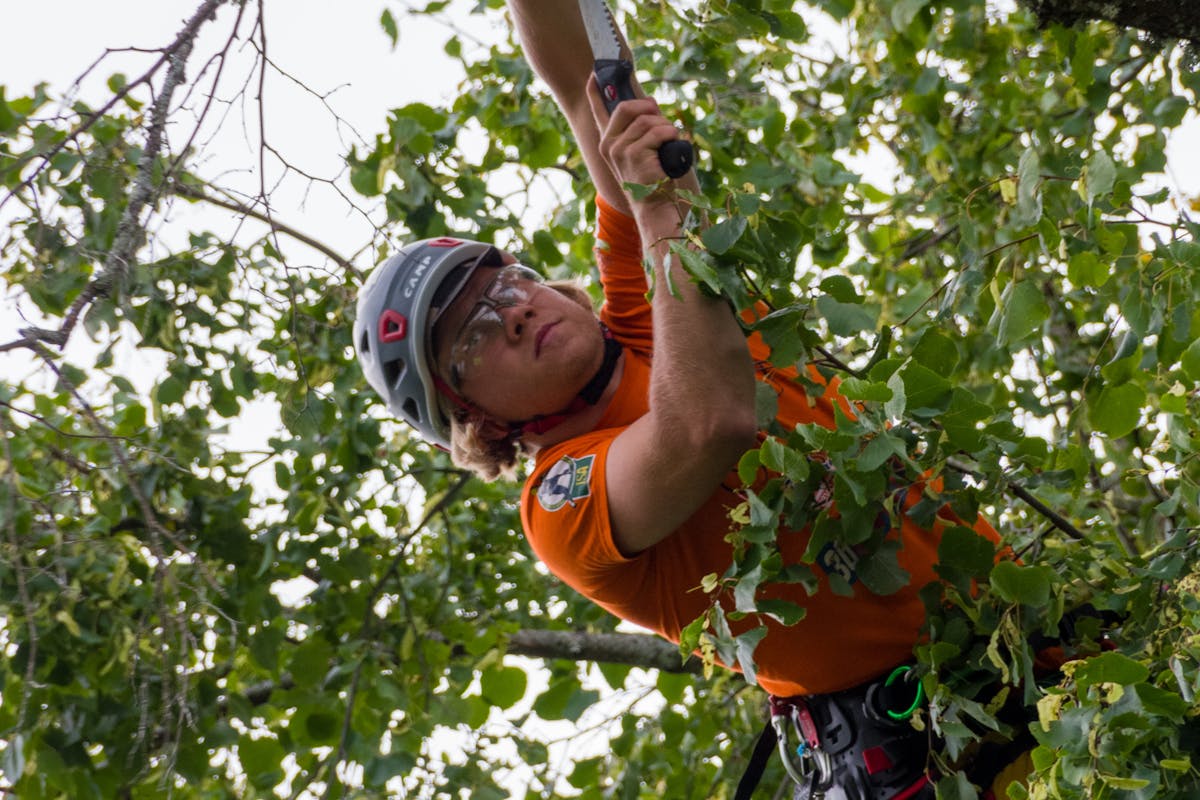
Hiring professionals for tree maintenance may seem expensive upfront, but it often saves money over time. Certified arborists have the expertise to identify early signs of disease or structural weakness that homeowners may overlook. Addressing these issues early prevents costly removals or property repairs later.
Professional services also reduce safety risks. Tree work involves climbing, heavy equipment, and cutting large branches, all of which can be dangerous without proper training. Injuries or property damage from DIY attempts can far exceed the cost of hiring a professional.
In addition, well-maintained trees enhance property value and neighborhood appeal. For homeowners planning to sell in the future, consistent tree care is a smart investment that improves first impressions and reduces inspection concerns.
Long-Term Benefits of Professional Care
- Improved tree lifespan and stability
- Lower risk of emergency tree removal
- Enhanced curb appeal and property value
- Predictable, manageable annual costs
Conclusion
In summary, understanding tree maintenance costs allows homeowners to plan smarter and protect their property year-round. Regular care not only keeps trees healthy and attractive but also prevents costly emergencies and safety risks. By budgeting for routine maintenance and working with qualified professionals, homeowners can preserve their landscape’s value while keeping long-term expenses under control.