A fire can break out at any time—in the kitchen, garage, or even outside during a barbecue. That’s why having a fire extinguisher nearby is an essential part of every home or business safety plan. But simply owning one isn’t enough.
Knowing how to use a fire extinguisher properly can mean the difference between quickly containing a small fire or facing a devastating emergency.
This guide will walk you through everything you need to know about using a fire extinguisher, including safety tips, types of extinguishers, and the right time to use one.
Why Fire Extinguisher Knowledge Matters
When a fire starts, panic can set in quickly. Without proper training or understanding, even a person with the best intentions may freeze or misuse the extinguisher. Knowing how and when to act empowers you to respond quickly, protect your property, and potentially save lives.
Fires double in size every 30–60 seconds. So, fast and effective action—using the correct technique—can prevent the flames from spreading while you wait for emergency services.
Understand the Types of Fire Extinguishers
Not all fires are the same, and using the wrong extinguisher can make the situation worse. Before using any fire extinguisher, identify the type of fire and make sure your extinguisher is appropriate for the situation.
Here are the five main classes:
-
Class A: For ordinary combustibles like wood, paper, and cloth
-
Class B: For flammable liquids like gasoline, oil, or grease
-
Class C: For electrical fires from wiring or appliances
-
Class D: For combustible metals (often used in labs or factories)
-
Class K: For kitchen fires involving grease, oils, and fats (especially in commercial kitchens)
Most home fire extinguishers are labeled ABC, meaning they are suitable for most household fires. Always read the label on your extinguisher to verify its usage.
The PASS Technique: How to Use a Fire Extinguisher
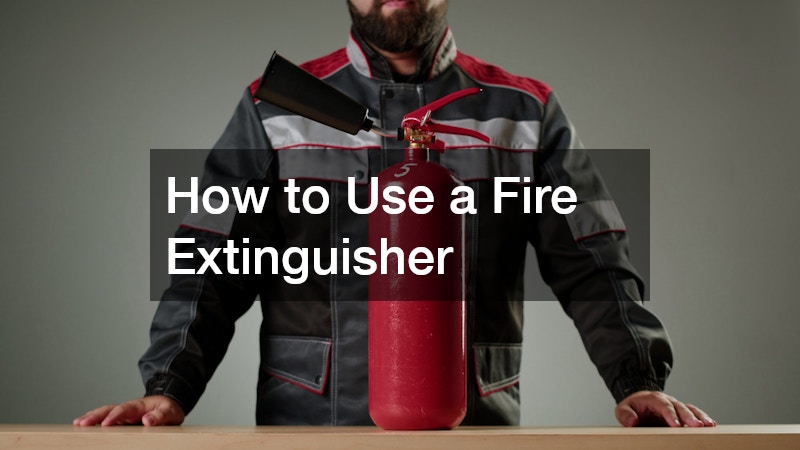
If you ever need to act, follow the PASS method, a simple, four-step process recommended by fire safety experts:
-
P – Pull the pin
The pin is located at the top of the extinguisher and prevents accidental discharge. Pulling it breaks the seal and arms the extinguisher. -
A – Aim the nozzle low
Point the nozzle or hose at the base of the fire—not the flames. Fires feed from their base, so that’s where you need to stop them. -
S – Squeeze the handle
Squeeze the handles together slowly and evenly to release the extinguishing agent. -
S – Sweep from side to side
Sweep the nozzle from side to side at the base of the fire until it appears to be out. Continue spraying even after the flames die down to prevent re-ignition.
After extinguishing the fire, monitor the area closely and call the fire department, even if the fire appears fully out. There may be hidden hot spots or smoldering material.
When (and When Not) to Use a Fire Extinguisher
Fire extinguishers are designed to fight small, contained fires, such as:
-
A trash can fire
-
A pan fire on the stove (never use water on grease fires!)
-
A spark from a small appliance
DO NOT attempt to use an extinguisher if:
-
The fire is spreading rapidly
-
The room is filled with smoke
-
You don’t know what’s burning
-
The extinguisher is wrong for the type of fire
-
You don’t feel confident or safe
In these situations, the best action is to evacuate immediately, close doors behind you to contain the fire, and call 911. Your safety always comes first.
Fire Extinguisher Safety Tips
-
Install extinguishers in key areas like the kitchen, garage, laundry room, and near exits.
-
Make sure they are visible and easy to access—never hide them in a cabinet or behind clutter.
-
Check the pressure gauge regularly to ensure it’s charged and ready to use. The needle should be in the green zone.
-
Replace or service extinguishers as needed—most last between 5–15 years.
-
Teach everyone in your household or workplace how to use a fire extinguisher and practice the PASS method together.
Also, make sure your home has working smoke detectors and that you’ve established an emergency evacuation plan.
What to Do After Using a Fire Extinguisher
After successfully using a fire extinguisher:
-
Ventilate the area – Some extinguishers leave residue or fumes. Open windows and doors to let fresh air in.
-
Monitor the area – Fires can reignite. Keep an eye on the area for several hours afterward.
-
Replace or recharge the extinguisher – If used, even partially, your fire extinguisher will need to be serviced or replaced.
-
Report the incident – If you’re in a commercial building or rental unit, inform your property manager or maintenance team.
Learning how to use a fire extinguisher is a simple but powerful skill that can protect your family, home, or business in an emergency. By understanding the different types of fires and using the PASS method, you’ll be prepared to act quickly and effectively in a time of crisis.
Remember, prevention is always the first line of defense. Be cautious with open flames, cooking appliances, and electrical devices. But if a fire does break out, having a functional extinguisher—and knowing how to use it—can make all the difference.
Take time today to inspect your fire extinguishers, review your safety plan, and share this knowledge with others. Because when it comes to fire safety, preparation saves lives.