The moments immediately following a severe motor vehicle crash are defined by a disorienting mix of shock, adrenaline, and confusion. The sudden impact, the deployment of airbags, and the screech of tires can leave even the most experienced drivers feeling entirely overwhelmed. In these chaotic first few minutes, your body’s fight-or-flight response takes over, often masking physical pain and making it incredibly difficult to think logically about what needs to happen next. However, the actions you take in the immediate aftermath, as well as the decisions you make in the subsequent days and weeks, will dramatically influence your physical recovery, your financial stability, and the ultimate safety of your vehicle.
Navigating the post-crash landscape is a complex journey that requires a methodical, step-by-step approach. You are suddenly thrust into a world of complex legal liability, intricate mechanical assessments, and convoluted claims processes. Making a mistake at any stage can result in denied claims, lingering safety hazards, or thousands of dollars in out-of-pocket expenses.
This comprehensive guide is designed to serve as your ultimate roadmap. We will break down exactly what you need to do, starting from the second your vehicle comes to a stop, all the way through the final inspection of your restored vehicle. By following this detailed blueprint, you can strip away the anxiety of the unknown, protect your rights, and ensure that you and your vehicle are safely returned to the road.
Immediate Actions at the Crash Scene

Secure the Area and Assess for Physical Injuries First
The very first priority after a severe impact is the preservation of human life and the prevention of further injury. Before you even think about property damage, you must assess yourself and your passengers. Adrenaline acts as a powerful painkiller; you may have sustained severe whiplash, lacerations, or internal injuries without immediately feeling the effects.
If you are conscious and able to move without exacerbating any neck or back pain, check on the other occupants of your vehicle. If anyone is unconscious, bleeding profusely, or complaining of severe spinal pain, do not attempt to move them unless leaving them in the vehicle poses an immediate threat to their life, such as a fire.
Once you have assessed the occupants, you must evaluate the safety of your immediate surroundings.
-
If your vehicle is operable and you are in the middle of a busy highway or intersection, carefully move the car to the shoulder or a nearby parking lot to prevent a secondary collision.
-
Turn on your hazard lights immediately to warn approaching traffic.
-
If you have safety flares or reflective emergency triangles in your trunk, place them at least fifty feet behind your vehicle to create a visual buffer zone.
-
If the vehicle cannot be moved, and you are in a high-traffic zone, the safest option is often to remain inside the car with your seatbelt fastened until emergency responders arrive, rather than risking being struck by a passing motorist while standing on the road.
Dial Emergency Services Immediately
Regardless of the perceived severity of the crash or the protests of the other driver, you must call 911 immediately. Some drivers may attempt to convince you to settle the matter privately to avoid premium hikes or legal trouble. You must politely but firmly decline this offer.
When speaking to the emergency dispatcher, remain as calm and factual as possible. Provide your exact location, noting cross streets, highway mile markers, or prominent landmarks. Clearly state the number of vehicles involved and whether an ambulance is required.
Having a formal police presence at the scene is absolutely critical. The responding officers will investigate the scene, interview witnesses, and compile an official accident report. This document is an objective, third-party record of the event that is vital for future claims. Without a police report, the situation quickly devolves into a “he-said, she-said” dispute, making it incredibly difficult to prove liability or recover damages.
Document the Scene Meticulously Before Moving Vehicles
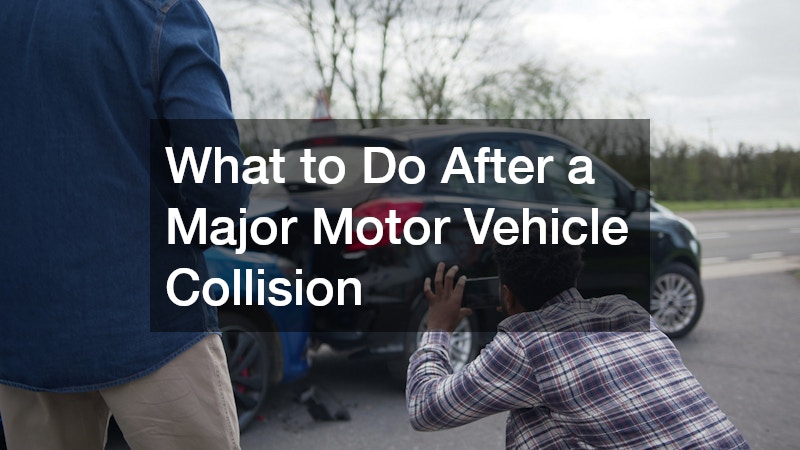
If it is safe to exit your vehicle and walk around the crash site, your smartphone is your most valuable tool. You must document everything before the vehicles are towed and the debris is swept away. Do not assume the police will take adequate photos for your specific needs.
-
Wide-angle establishing shots: Take photos from a distance to show the overall scene, the final resting positions of the vehicles, and the surrounding environment, including traffic signs and signals.
-
Close-up damage shots: Photograph the specific points of impact on all vehicles involved. Capture shattered glass, deployed airbags, and fluid leaks on the asphalt.
-
License plates and documentation: Take clear photos of the license plates of all involved vehicles. Ask to photograph the other driver’s license and registration card.
-
Environmental factors: Document skid marks, obscured road signs, deep potholes, or severe weather conditions that may have contributed to the crash.
-
Witness information: If bystanders stopped to help or saw the crash occur, ask for their names and phone numbers. Independent witness testimony can completely turn the tide in a liability dispute.
Navigating the Financial and Legal Next Steps
Initiate Your Claim Within 24 Hours
Once you have received medical attention and returned home, the bureaucratic phase of the recovery process begins. Your first call should be to initiate your claim. Prompt reporting is usually a contractual requirement of your policy, and delaying this step can give the provider grounds to deny coverage.
When you speak to the representative, stick strictly to the objective facts of the crash: the time, the location, the vehicles involved, and the responding police department. Do not editorialize, do not guess how fast the other driver was going, and most importantly, do not apologize or admit fault. Even a polite “I’m sorry this happened” can be twisted into an admission of guilt. Furthermore, if you are asked about injuries, do not say “I am perfectly fine.” Adrenaline and shock can mask symptoms of soft tissue injuries or concussions for days. Simply state that you are currently seeking medical evaluation and will update them once you have a formal diagnosis. Navigating your auto insurance correctly from day one sets the foundation for a successful financial recovery.
Refuse Predatory Towing Offers
A major vulnerability for drivers post-crash is the sudden arrival of unsolicited tow trucks. These operators, often referred to as “accident chasers,” monitor police scanners and race to crash scenes. They may aggressively pressure you to let them hook up your car, claiming the police dispatched them or that they will handle everything for you.
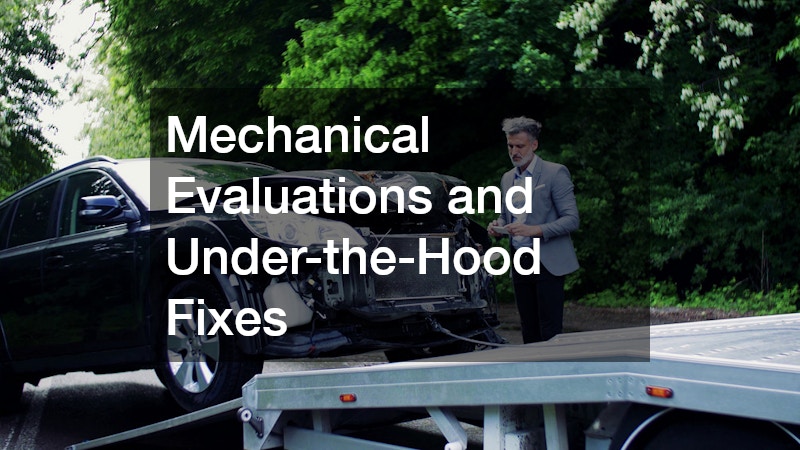
Do not sign anything presented by an unsolicited tow truck driver. These operators frequently tow the vehicle to a storage lot that charges exorbitant daily impound fees, essentially holding your vehicle hostage until you pay a massive bill. Instead, use a roadside assistance program you are already enrolled in, or ask the responding police officers to dispatch a contracted, reputable towing company from their approved municipal list. Always ask the driver exactly where the vehicle is being taken and what the initial hook-up and per-mile fees will be before allowing them to touch your car.
Gather Multiple Written Estimates for the Damage
Once the claim is filed, an adjuster will evaluate the damage and provide an initial payout figure. You must remember that this initial estimate is often a starting point, not a final verdict. Adjusters are incentivized to keep costs low. To protect yourself, you should seek out independent evaluations.
Take your vehicle to at least three reputable auto repair shops to receive comprehensive, itemized estimates. Do not simply look at the final dollar amount; look at the breakdown of labor hours, the cost of paint materials, and the types of replacement components they are quoting. Having multiple independent estimates gives you immense leverage. If the adjuster’s initial quote is drastically lower than the independent quotes, you can use these detailed breakdowns to negotiate a fairer payout, ensuring that corners are not cut during the restoration process.
Addressing Structural and Exterior Damage

Demand a Laser Frame Inspection
The vast majority of modern vehicles are built using a unibody construction, meaning the frame and the body are integrated into a single, complex structure. This design is excellent for absorbing impact energy and protecting occupants, but it also means that a severe collision can cause the entire vehicle structure to twist or bend out of alignment.
Visible exterior damage is often just the tip of the iceberg. A crumpled fender can hide a bent frame rail that fundamentally compromises the safety of the vehicle. If a structurally compromised vehicle is involved in a second crash, the designed crush zones will fail to perform, putting the occupants at severe risk of fatal injury.
To ensure the structural integrity of your vehicle, you must insist that it is taken to an advanced auto collision center equipped with computerized laser measuring systems. These high-tech machines use targeted lasers to measure the vehicle’s frame against the exact factory specifications, detecting deviations as small as a millimeter. Only after the frame has been meticulously pulled and squared back to its exact original dimensions can the cosmetic exterior work safely begin.
Verify the Use of Original Equipment Manufacturer (OEM) Parts
A critical battleground in the aftermath of a crash is the sourcing of replacement parts. To save money, adjusters will often mandate the use of aftermarket parts or salvaged parts from junkyards. While some aftermarket parts are of acceptable quality, many are reverse-engineered overseas and simply do not meet the exact specifications of the original manufacturer.
Using cheap aftermarket exterior panels can lead to a host of problems. The panels may not align correctly with the rest of the vehicle, leaving unsightly gaps. The metal may be thinner and more prone to rust, and most alarmingly, inferior parts may not react predictably in a subsequent crash.
You must advocate fiercely for the use of Original Equipment Manufacturer (OEM) parts. These are the exact components designed, crash-tested, and produced by the automaker specifically for your vehicle. When working with your chosen collision repair services, instruct the manager that you expect OEM parts to be used, especially for crucial structural components, safety restraints, and exterior impact zones. If your policy dictates the use of aftermarket parts, you can often choose to pay the price difference out of pocket to ensure your vehicle is restored using superior materials.
Fixing Visibility and Safety Barriers
Safely Handle Shattered Windows and Clear Debris
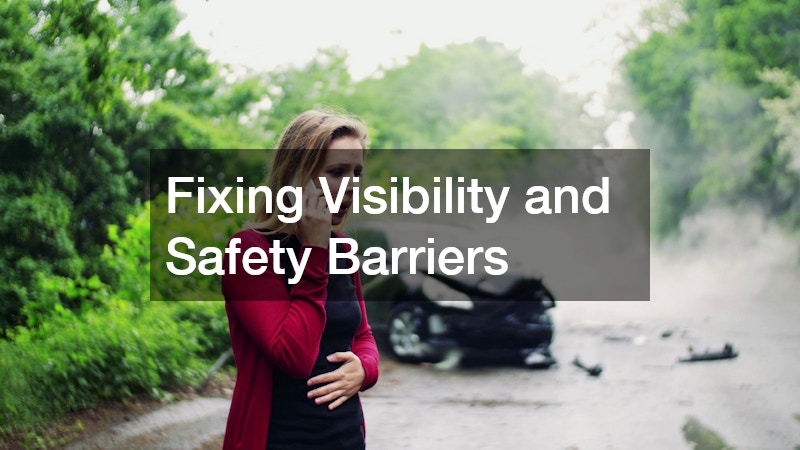
Severe impacts almost always result in broken glass, which presents both immediate physical hazards and long-term interior damage risks if not handled correctly. Automotive glass is manufactured in two distinct ways. The windshield is made of laminated glass—two layers of glass sandwiching a layer of plastic—designed to shatter but remain in one piece to prevent occupants from being ejected. Side and rear windows are made of tempered glass, which is heat-treated to shatter into thousands of small, relatively dull cubes rather than lethal shards.
If your vehicle’s side windows have been blown out, the interior cabin will be exposed to the elements. Moisture from rain or snow can quickly destroy electronic modules hidden under the seats and trigger rampant mold growth in the upholstery. Use heavy-duty collision wrap or thick plastic sheeting and waterproof tape to seal any broken windows immediately. When vacuuming the interior, use a high-powered shop vac and wear thick leather gloves, as tempered glass fragments can hide deep inside the seat cushions and air vents, posing a continuous cutting hazard to passengers.
Insist on High-Quality Resins and Proper Curing Times
When the time comes to replace a shattered windshield, the quality of the installation is a matter of life and death. The windshield is a critical structural component of the vehicle. In the event of a rollover, the windshield provides up to 60% of the cabin’s roof crush resistance. Furthermore, the windshield serves as the backstop for the passenger-side airbag; if the glass is improperly installed, the force of the deploying airbag can blow the windshield entirely out of the frame, rendering the airbag useless.
When evaluating local auto glass repair companies, you must ask highly specific questions about their materials and procedures. Inquire about the type of urethane adhesive they use and, critically, ask about the “Safe Drive Away Time” (SDAT). Urethane requires a specific amount of time to cure and bond with the metal frame of the car. If a technician tells you the car is safe to drive immediately after the glass is placed, they are likely cutting dangerous corners. Depending on the humidity, temperature, and type of adhesive, the car must remain stationary for hours to ensure a secure, life-saving bond.
Recalibrate Your Advanced Driver Assistance Systems (ADAS)
Modern vehicles are essentially rolling computers, equipped with a vast array of Advanced Driver Assistance Systems (ADAS) such as lane departure warnings, adaptive cruise control, and automatic emergency braking. The “eyes” of these systems are highly sensitive forward-facing cameras that are mounted directly behind the rearview mirror, looking through the windshield glass.
When a windshield is replaced, the angle and clarity of the new glass are imperceptibly different from the old glass. Even a deviation of a single degree can cause the camera’s field of vision to be off by several feet at highway speeds. This can cause your car to brake for shadows or fail to recognize a vehicle stopped ahead of you. It is mandatory that any auto glass service performing a windshield replacement also possesses the expensive, highly specialized optical targeting equipment necessary to perform a dynamic or static recalibration of your vehicle’s camera systems. Without this calibration, your vehicle’s most advanced safety features become active liabilities.
Mechanical Evaluations and Under-the-Hood Fixes
Check for Hidden Fluid Leaks and Belt Damage
Front-end collisions are notorious for causing subtle but catastrophic mechanical damage under the hood. The radiator, condenser, and various fluid reservoirs are positioned at the very front of the engine bay, acting as the first line of impact. Even if the car starts and runs after a crash, it may be bleeding vital fluids.
You must systematically check the ground beneath the vehicle and the engine bay itself. Look for the distinct bright green or orange pooling of engine coolant, which indicates a cracked radiator or severed hose. Driving without coolant will warp the engine block in a matter of minutes. Look for the reddish hue of transmission fluid, or the clear, oily consistency of brake fluid. A loss of brake fluid line pressure means your vehicle will physically not be able to stop. Additionally, inspect the serpentine belt and the various pulleys at the front of the engine; an impact can easily knock a pulley out of alignment, which will eventually shred the belt and leave you stranded without power steering or an alternator.
Request a Full Suspension and Alignment Diagnostic
If your vehicle was pushed sideways during the collision, or if a wheel violently struck a curb, the suspension geometry has likely been severely compromised. The suspension system is an intricate network of control arms, tie rods, struts, and ball joints that dictate how the vehicle handles and brakes.
Visible damage to a wheel is a guarantee of hidden suspension damage, but even if the wheels look fine, the internal components may be bent. Driving a vehicle with a compromised suspension will result in wandering steering, incredibly rapid tire wear, and unpredictable handling during emergency maneuvers. You must have an independent, certified auto mechanic put the vehicle on a lift to visually inspect the undercarriage for bent tie rods or damaged bushings. Following this visual inspection, a computerized four-wheel alignment is mandatory to ensure the vehicle tracks perfectly straight down the highway.
Test All Electrical Components and Sensors
The electrical architecture of a modern vehicle, known as the CAN bus system, is a highly complex web of wiring harnesses and sensors that communicate thousands of times a second. A collision can easily sever a wire hidden inside a bumper or crush a crucial sensor.
Comprehensive auto repair services must include a deep diagnostic scan of the vehicle’s computer modules. Mechanics must use an OBD-II scanner to pull any diagnostic trouble codes (DTCs) that were triggered during the crash. Furthermore, they must physically verify that the alternator is charging the battery correctly, that all exterior and interior lights function, and most importantly, that the Supplemental Restraint System (SRS) module is fully operational. If an airbag readiness light remains illuminated on your dashboard after repairs are completed, the vehicle is fundamentally unsafe to drive, as the airbags may fail to deploy in a future collision.
Finalizing the Restoration for the Road
Scrutinize the Paint Match Under Natural Sunlight
The final phase of the collision recovery process is cosmetic restoration. Painting a vehicle is an incredibly difficult blend of art and chemistry. Modern automotive paint consists of a primer layer, a colored base coat, and a protective clear coat. Matching the fresh paint on a repaired fender to the slightly sun-faded paint on the rest of the five-year-old vehicle requires immense skill.
When you arrive to pick up your vehicle, do not inspect it inside the shop under artificial fluorescent lights. Artificial lighting can mask severe paint discrepancies through a phenomenon known as metamerism. You must insist on inspecting the final auto body repairs outside in direct, natural sunlight. Walk slowly around the repaired panels. Look closely for “orange peel,” which is a bumpy, uneven texture in the clear coat that indicates poor spraying technique. Look for overspray on the black plastic trim or rubber window seals. Finally, stand back and view the side of the vehicle from a sharp angle to ensure the new paint blends seamlessly into the adjacent panels without any harsh transition lines.
Re-Evaluate Your Wheel and Tread Condition
The absolute final step before accepting the vehicle and returning to your daily commute is evaluating your wheels and tires. Tires are the single most critical safety component on your vehicle—they are the only four points of contact you have with the road.
During a severe collision, a tire can be subjected to massive lateral forces that tear the internal steel belts, leading to a hidden sidewall bulge that will eventually result in a high-speed blowout. Additionally, if the vehicle skidded aggressively across the pavement, the tires may have developed severe flat spots that will cause violent vibrations at highway speeds. Often, the smartest and safest decision you can make at the end of the collision repair process is to discard the compromised rubber and invest in the best new tires you can afford. Fresh tread ensures that your newly restored vehicle will have the maximum possible traction, optimized braking distances, and reliable handling, allowing you to drive away from the ordeal with complete confidence.
Conclusion
Surviving a major motor vehicle crash is a traumatic experience, and the subsequent recovery process can feel like a full-time job. From the initial shock at the scene to the final signature on the repair paperwork, the journey is fraught with potential pitfalls that can compromise your safety and drain your finances.
However, by maintaining a level head and adhering strictly to a methodical plan, you can take control of the situation. Documenting the scene, refusing predatory offers, demanding high-quality parts, and insisting on thorough mechanical and digital recalibrations are not just suggestions; they are necessary steps to protect your investment and your life.
Consider printing a condensed checklist of these steps and keeping it in your glovebox alongside your registration and proof of insurance. Having a physical guide on hand during the chaotic moments following an impact can provide the clarity and direction needed to navigate the road to recovery successfully.