
Clean public spaces do more than create a positive first impression. They contribute to healthier communities, support local businesses, and make parks, sidewalks, shopping districts, and recreational areas more enjoyable for everyone. While many factors influence cleanliness, one simple feature often has the greatest impact: well-placed litter bins.
When waste disposal is convenient and accessible, people are more likely to throw away trash properly. This small action helps reduce pollution, protect public health, and preserve the appearance of shared spaces.
Municipalities, schools, parks, and commercial properties all benefit from investing in waste management solutions that encourage responsible habits.
Supporting Cleaner Communities
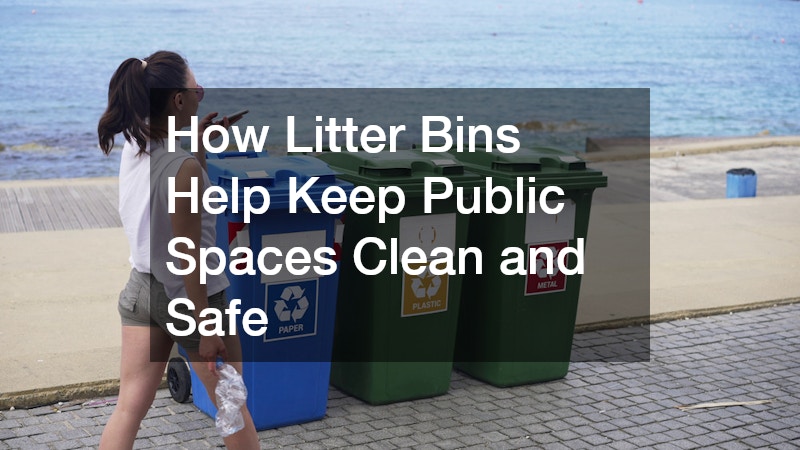
One of the primary reasons public spaces stay clean is the availability of convenient places to dispose of waste. Whether someone finishes a snack in a park or carries takeaway packaging through a downtown area, having a nearby disposal option makes proper waste management much easier.
Without designated containers, litter often ends up on sidewalks, streets, lawns, or in waterways. Even a small amount of trash can quickly accumulate as additional litter follows. By providing accessible litter bins, property managers and local governments make it easier for visitors to keep shared spaces tidy.
Clean environments also encourage people to take pride in their surroundings. When parks and public areas are well maintained, visitors are generally more likely to respect the space and dispose of waste responsibly.
Improving Public Health
Proper waste disposal plays an important role in protecting public health. Food wrappers, beverage containers, and other discarded items can attract insects, rodents, and other pests when left on the ground. These pests may spread bacteria or create unsanitary conditions in heavily trafficked areas.
Keeping waste contained also helps reduce unpleasant odors and prevents garbage from accumulating where people gather. Families visiting playgrounds, shoppers walking through retail districts, and employees enjoying outdoor lunch areas all benefit from cleaner surroundings.
Regular collection and maintenance of waste containers further reduce the risk of overflowing trash, helping maintain sanitary conditions throughout busy public spaces.
Enhancing Safety for Everyone
Litter is more than an appearance issue. It can also create safety hazards.
Discarded bottles, cans, food containers, and other debris may become tripping hazards on sidewalks, trails, and public gathering areas. Sharp objects, broken glass, or improperly discarded materials can increase the risk of injuries, particularly for children and pets.
Trash that blocks storm drains may contribute to localized flooding during heavy rainfall. Overflowing debris can also reduce visibility in parking lots or roadways, creating additional risks for drivers and pedestrians.
A well-maintained waste management system helps minimize these hazards by encouraging proper disposal before problems develop.
Protecting Local Wildlife and the Environment
Litter left outdoors rarely stays in one place. Wind and rain can carry lightweight materials into streams, rivers, lakes, and other natural areas where they become environmental hazards.
Wildlife may mistake discarded plastics or food packaging for food, leading to injury or illness. Animals can also become trapped in certain types of waste.
Keeping trash properly contained reduces the likelihood that waste will spread beyond public spaces into nearby ecosystems. This helps protect local wildlife while supporting broader environmental conservation efforts.
Communities that prioritize cleanliness also reduce the amount of waste entering stormwater systems, helping improve water quality over time.
Creating Positive First Impressions
Visitors often judge a community by the condition of its public spaces. Clean streets, attractive parks, and well-maintained sidewalks create a welcoming atmosphere that benefits residents, tourists, and businesses alike.
Property owners also recognize the value of maintaining attractive outdoor environments. Shopping centers, office parks, schools, hospitals, and recreational facilities all benefit when their grounds remain clean and organized.
Strategically placed litter bins contribute to these positive impressions by making it easy for visitors to dispose of waste responsibly without disrupting the appearance of the property.
Encouraging Responsible Behavior
People tend to follow visible examples. When public spaces include clearly marked waste containers that are regularly emptied and maintained, proper disposal becomes the expected behavior.
Educational signage placed alongside waste receptacles can further reinforce responsible habits by reminding visitors to dispose of trash correctly and recycle when appropriate.
Over time, these small reminders help establish a culture of cleanliness within the community. Children learn good habits by observing adults, while visitors are more likely to respect spaces that are obviously cared for.
Choosing the Right Waste Collection Solutions
Not every public space has the same waste management needs. Parks may require larger containers that can accommodate weekend crowds, while downtown sidewalks often benefit from compact units positioned at regular intervals.
Material selection also matters. Durable steel, concrete, and heavy-duty plastic containers are designed to withstand weather, frequent use, and potential vandalism. Features such as covered openings, secure liners, and easy-access doors simplify maintenance while helping keep waste contained.
Careful placement is equally important. Installing containers near entrances, walkways, seating areas, transit stops, and food vendors encourages proper disposal where people naturally generate waste.
A Small Investment With Lasting Benefits
Maintaining clean public spaces requires ongoing effort, but accessible waste disposal remains one of the simplest and most effective solutions. Thoughtfully placed litter bins encourage responsible behavior, reduce environmental pollution, improve public safety, and help communities maintain attractive spaces that residents and visitors can enjoy.
As cities continue to invest in parks, streetscapes, schools, and commercial districts, effective waste management will remain an essential part of creating healthy, welcoming environments. Something as simple as providing convenient places to dispose of trash can make a meaningful difference in how public spaces look, feel, and function for years to come.