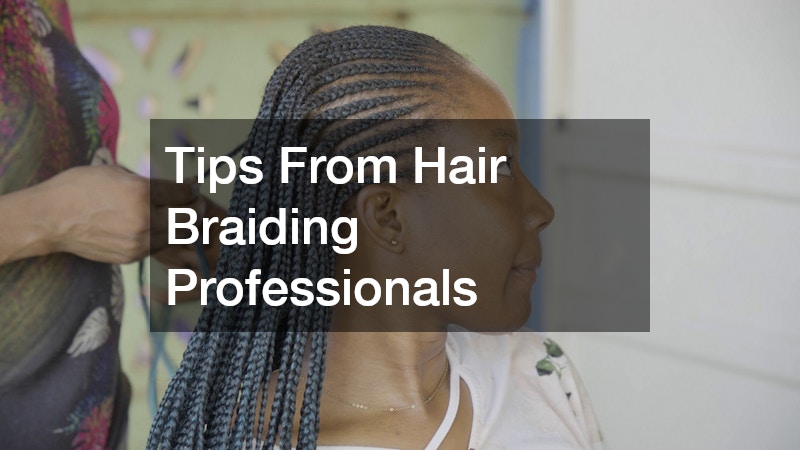
Hair braiding is far more than a convenient, low-maintenance protective style—it is an intricate art form deeply rooted in culture, precision, and healthy hair care practices. Whether you are sporting classic box braids, intricate cornrows, sleek knotless braids, or culturally rich Fulani styles, maintaining the integrity of your natural hair while keeping your braids looking fresh requires professional insight. Leading stylists share their essential guidelines for preparing, maintaining, and removing braided hairstyles safely to ensure your natural locks thrive beneath the style.
Proper Preparation: The Foundation of Any Great Style
Professional braiders agree that the success, neatness, and longevity of any hair braiding style depend heavily on how the hair is prepared before the styling session even begins. Installing braids on compromised, dry, dirty, or tangled hair can lead to severe breakage, scalp irritation, and premature frizz.
Taking the time to properly prep your hair guarantees that your protective style actually protects your strands rather than damaging them.
Key steps for thorough prep work include:
-
Deep Cleansing: Use a clarifying shampoo to eliminate stubborn scalp buildup, natural oils, and residual styling products. A clean, refreshed scalp provides a healthy foundation for the duration of your style and prevents early itchiness.
-
Deep Conditioning: Replenish lost moisture with an intensive deep conditioner or protein treatment. This step strengthens the hair shaft, improving elasticity before the natural hair is placed under structural tension.
-
Thorough Detangling and Stretching: Gently detangle and blow-dry the hair on low heat using a tension method or paddle brush attachment. Pre-stretched, smooth hair allows the braider to create clean, precise parts and uniform tension without snagging, pulling, or snapping small knots during installation.
Scalp Health and Tension Management
One of the most critical aspects of healthy hair braiding is managing tension. While braids should be neat, secure, and long-lasting, excessive tightness can cause traction alopecia—a severe, sometimes permanent form of hair loss caused by continuous pulling on delicate hair follicles.
Professional tips for maintaining scalp comfort and preventing damage:
-
Speak Up During Installation: If a braid feels painful, overly tight, or pulls severely on your temples while being installed, inform your stylist immediately. Pain is a clear warning sign of excessive tension on the follicle, not a necessary requirement for a long-lasting style.
-
Opt for Knotless Braids for Sensitive Scalps: Knotless braiding techniques start with your natural hair and gradually feed in synthetic extensions as the braid progresses. This method eliminates the heavy, traditional anchor knot at the scalp, drastically reducing tension on the root and allowing for immediate styling flexibility without discomfort.
-
Soothe and Hydrate the Scalp Regularly: Apply lightweight, natural oils—such as jojoba, tea tree, or peppermint oil—directly to the exposed scalp parts to reduce dryness, inflammation, and itchiness without causing heavy, pore-clogging buildup.
Nighttime Protection and Daily Maintenance
To keep your braids looking sleek and prevent premature frizzing, consistent daily and nightly care routines are non-negotiable. Friction against rough cotton pillowcases can strip essential moisture from the hair, disrupt the braid structure, and pull loose flyaways out of place.
Essential maintenance habits include:
-
Wear a Silk or Satin Bonnet: Secure your braids in a long satin bonnet, silk scarf, or durag before sleep every night. Satin and silk help retain natural moisture while shielding the style from damaging surface friction.
-
Hydrate the Hair Shaft: Spray your braids lightly with a water-based leave-in conditioner or specialized braid spray every few days. Synthetic hair can draw moisture away from real hair, so keeping your natural strands hydrated underneath is vital.
-
Minimize Heavy Creams and Gels: Avoid applying thick styling gels, heavy pomades, or greases to the length of your braids. These heavy products act as magnets for dust, lint, and environmental dirt, creating unsightly buildup that becomes extremely difficult to rinse out later.
Knowing When and How to Take Braids Down
Even the most carefully maintained hair braiding styles have a strict expiration date. Leaving protective styles in for too long causes natural shed hair—which normally falls out at an average rate of 50 to 100 strands a day—to lock together at the root, leading to severe matting, tangling, and accidental hair loss during removal.
Best practices for removal and post-braid care:
-
Adhere to the 6 to 8 Week Rule: Remove your braids after six to eight weeks maximum to preserve your hairline, protect root integrity, and prevent severe matting.
-
Patience During Unraveling: Take your time when taking down the style. Gently unbraid the hair using your fingers or a rat-tail comb, working carefully from the ends up toward the roots without yanking or ripping through knots.
-
Detangle BEFORE Wetting the Hair: Thoroughly comb out accumulated shed hair and dirt buildup at the root while the hair is completely dry, using a light oil or detangling spray for slip. Washing matted, shed hair before detangling causes the strands to swell and bind together, forming tight, permanent knots that often have to be cut out.
Questions to Consider Before Your Braiding Appointment
Asking yourself these practical questions helps ensure you get the best possible results from your styling session:
-
Is your natural hair currently healthy enough for extension weight? (If your hair is experiencing active breakage, excessive shedding, or severe damage, focus on restorative treatments before adding heavy extensions.)
-
Does your daily routine support the style you chose? (If you workout intensely every day or swim frequently, discuss moisture-resistant or lighter braided styles with your stylist.)
-
Do you have sufficient time allocated for proper takedown? (Planning ahead for takedown day ensures you won’t rush the delicate process and inadvertently damage your natural hair.)
By following these expert care recommendations, you can confidently enjoy the versatility, cultural beauty, and convenience of braided styles while ensuring your natural hair grows longer, stronger, and healthier underneath.