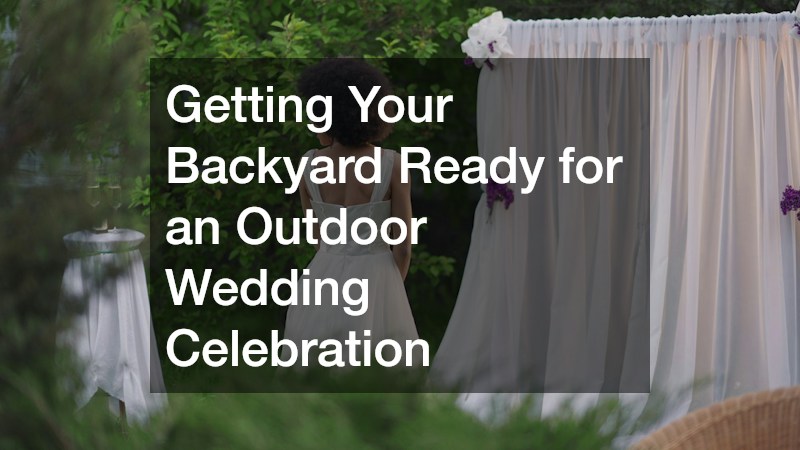

Saying “I do” under open skies in your own backyard can be one of the most personal and memorable ways to celebrate your wedding day. But turning a familiar patch of grass into a venue that feels polished and welcoming takes real planning, from the ground up to the overhead lighting. Whether you are the one getting married or helping a family member prepare, a little forethought can prevent last-minute scrambling and let everyone actually enjoy the day. This guide walks through the practical steps to get your outdoor space wedding-ready, without losing the charm that made you want a backyard celebration in the first place.
Assess Your Lawn and Landscaping Timeline
Start by walking your property with fresh eyes, imagining where guests will sit, where the ceremony will take place, and where foot traffic will be heaviest. Grass needs time to recover from aeration, overseeding, or fertilizing, so these tasks should happen at least six to eight weeks before the event. If you plan to plant flowers or shrubs for extra color, choose varieties that will be blooming on the actual wedding date, not just when you plant them.
Mowing and edging should be scheduled for two to three days before the event, not the morning of, to avoid leaving clippings on guests’ shoes or chairs. Trim back any overgrown bushes or tree branches that could snag a wedding dress or block walking paths. Consider marking sprinkler heads and uneven ground with small flags during setup week so vendors and guests do not trip or damage equipment.
- Schedule lawn treatments six to eight weeks out to allow full recovery
- Mow and edge two to three days before the event, not same-day
- Flag sprinkler heads, holes, or uneven patches before chairs and tents arrive
- Choose blooming plants based on your actual wedding date, not planting season
Plan Seating, Pathways, and Tent Placement
Once your landscaping is in shape, think through the physical layout of the celebration. Guests need clear, stable pathways from parking areas to seating, especially if anyone will be wearing heels or using mobility aids. Renting a tent is worth considering even for a summer wedding, since sudden rain or intense sun can disrupt an otherwise perfect day.
Work backward from your guest count to figure out how much usable space you actually have, factoring in room for a dance floor, dining tables, and a buffer zone around the ceremony area. Rental companies can often visit the property beforehand to help calculate tent size and placement based on your yard’s slope and trees.
- Measure your usable yard space before finalizing a guest list
- Lay temporary matting or decking over grass paths to prevent heels from sinking
- Reserve a tent early, especially during peak wedding season months
- Leave a buffer around the ceremony space so late arrivals do not disrupt proceedings
Prepare Outdoor Lighting and Power Access
Lighting does more than set a romantic mood, it also keeps guests safe once the sun goes down. String lights, lanterns, and pathway lighting should be tested well before the event to confirm there is enough power and that extension cords are rated for outdoor use. If your reception will run into the evening, make sure walkways, stairs, and restroom routes are well lit so no one is navigating in the dark.
Check with your electrician or event rental company about how many outlets you will need for lighting, a sound system, caterers’ equipment, and any climate control units. Overloading a single circuit is a common and avoidable problem at backyard events, so it is worth mapping out power needs on paper before the big day.
- Test all lighting fixtures at night, not just during daytime setup
- Use outdoor-rated extension cords and cover them to prevent tripping
- Light pathways, steps, and restroom access points clearly
- Confirm outlet capacity with vendors ahead of time to avoid overloaded circuits
Capture the Day with the Right Equipment and Crew
Backyard weddings often have unpredictable natural light, varying terrain, and background noise from nature or neighbors, all of which affect how the day is documented. Hiring a wedding videographer who has experience shooting outdoor, residential settings can make a noticeable difference in the final footage, since they will know how to work around shifting sunlight and uneven ground. Ask to see samples of their past outdoor work specifically, not just studio or venue footage, so you know what to expect.
Walk your videographer through the property ahead of time so they can scout good vantage points for the ceremony, first look, and reception toasts. Discuss backup plans for sound, especially if music or speeches will happen outside where wind and ambient noise can interfere with audio quality. Clear communication beforehand helps avoid surprises when the only chance to capture the moment is happening in real time.
- Review outdoor-specific portfolio samples before booking
- Schedule a site walkthrough so filming spots can be planned in advance
- Ask about backup audio equipment for windy or noisy conditions
- Confirm a rain plan so filming is not disrupted by last-minute changes
Arrange Catering, Restrooms, and Guest Comfort
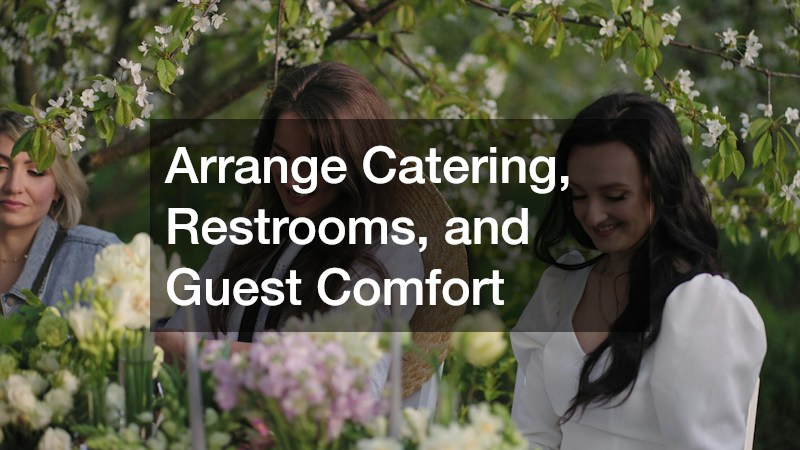
Food service at a backyard wedding requires more coordination than at a traditional venue, since there is no built-in kitchen or plumbing to rely on. Caterers will need a staging area with shade, power, and enough space to plate and serve efficiently, so talk through their setup requirements early. If you are undecided on a caterer, it can help to think about the kind of food you enjoyed at some of the best restaurants in your area and ask local catering companies if they can recreate a similar style or menu.
Restroom access is another detail that is easy to overlook until the week of the wedding. Renting upscale portable restroom trailers is a common solution for backyard events and tends to feel far more comfortable for guests than standard portable units. Also plan for guest comfort extras like fans, heaters, or shaded seating areas depending on the season, since backyard weather is rarely as controlled as an indoor venue.
- Give caterers a dedicated staging area with shade and power access
- Rent restroom trailers rather than standard portable units for guest comfort
- Plan for seasonal extras like fans, heaters, or misting stations
- Confirm trash and cleanup logistics with your catering or rental company
A backyard wedding can feel effortless to guests while still being the product of careful planning behind the scenes. By tackling landscaping, layout, power, documentation, and guest comfort well ahead of time, you give yourself room to actually enjoy the celebration instead of troubleshooting it. Start with a property walkthrough and a realistic timeline, then work through each category one step at a time. The earlier you lock in these details, the more relaxed and present you can be on the day itself.